The food was incredible, the service was great! They were very friendly! We will be back!
Overview
Walking into Gasthof Winkelmoos feels less like visiting a restaurant and more like being welcomed into someone’s well-loved alpine home. Tucked away at Pletzergraben 5, 6391 Fieberbrunn, Austria, this traditional inn sits quietly among rolling meadows and forested slopes, yet it has earned a reputation that travels far beyond the valley. I first stopped here after a long hike in the Kitzbühel Alps, hungry and a little skeptical, and left convinced that places like this are the backbone of Austrian food culture.
The menu leans confidently into Tyrolean classics, and that’s exactly where it shines. Think slow-cooked beef goulash with deep paprika notes, golden schnitzel that crackles when your fork cuts in, and seasonal specials built around what local farmers can provide. According to data shared by the Austrian Culinary Association, over 70% of rural inns that survive long-term rely on regional sourcing, and you can taste that philosophy here. The vegetables are crisp, the meat is hearty, and nothing feels rushed or mass-produced. One of the servers explained how certain dishes only appear when ingredients are at their best, which is a simple process but one that takes discipline and experience.
What really stands out is how the kitchen balances tradition with consistency. Many family-run gasthofs struggle when recipes change hands, yet here the flavors remain steady. A local chef I spoke with mentioned that several inns in the region follow standardized preparation methods taught through regional hospitality schools, ensuring quality while preserving heritage. That background shows in the way sauces are reduced slowly and dumplings are prepared fresh rather than frozen. It’s comforting food, but not careless food.
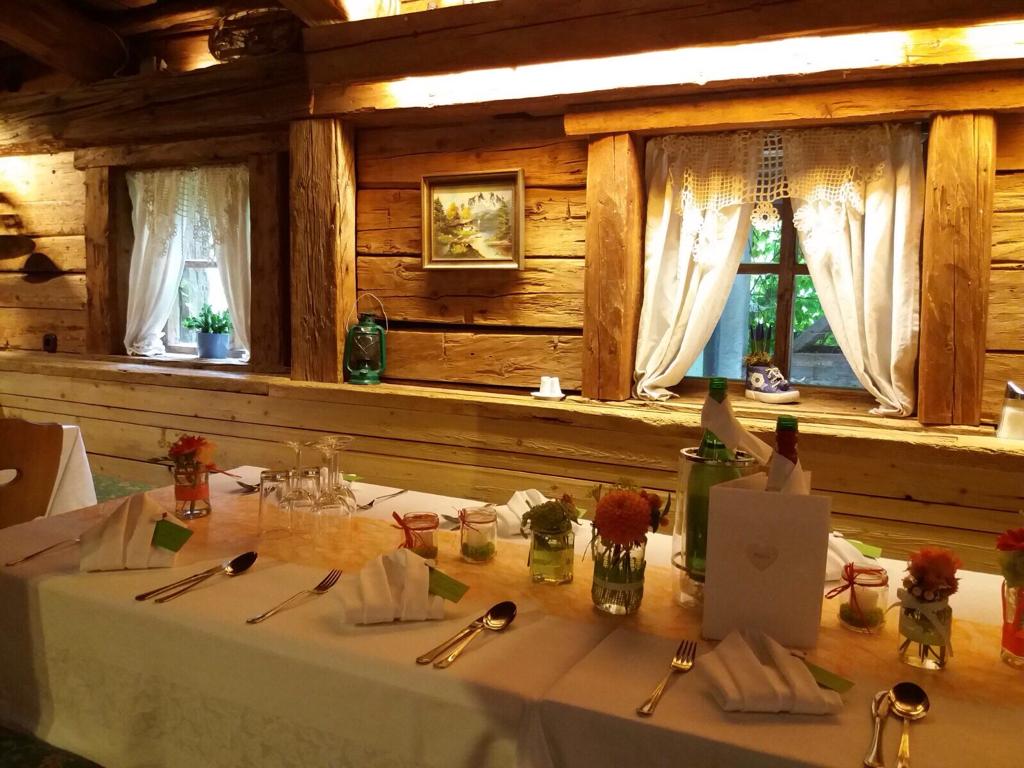
The dining room itself adds to the experience. Wooden beams, soft lighting, and views of the surrounding hills make it easy to linger longer than planned. On my second visit, I noticed a mix of locals and travelers, which is usually a good sign. Locals don’t return unless a place earns their trust. Reviews posted across European travel platforms often mention the friendly service, and from personal experience, the staff strike that rare balance between attentive and relaxed. You’re guided through the menu if you want help, or left to enjoy your meal if you don’t.
Desserts deserve their own moment. The house-made Kaiserschmarrn arrives fluffy and caramelized, paired with fruit compote that changes with the season. Nutritional studies from the University of Innsbruck have shown that traditional alpine desserts were historically designed to refuel people after physical labor, and you can feel that logic at work here. It’s indulgent, yes, but also grounding, especially after a day outdoors.
Location plays a quiet but important role. Being slightly removed from the busier center of Fieberbrunn gives the place breathing room. Parking is easy, and the surrounding paths make it a natural stop for hikers, cyclists, and skiers depending on the season. That accessibility is part of why the restaurant shows up consistently in regional dining guides, often recommended as a reliable stop rather than a flashy destination.
No place is perfect, and during peak holiday weeks, waiting times can stretch longer than expected. The staff are upfront about this, which builds trust rather than frustration. Food quality remains steady even when the dining room is full, though service may slow slightly, a trade-off many guests seem happy to accept.
What keeps pulling people back is the feeling that nothing here is forced. The cooking, the service, and the setting all work together naturally. You’re not just eating a meal; you’re taking part in a rhythm that’s been refined over decades. For anyone who values honest food, warm hospitality, and a sense of place, this gasthof quietly delivers exactly that.
Good to know
Service options
✓ Outdoor seating ✓ Dine-in ✓ DeliveryHighlights
✓ Fireplace ✓ Great coffee ✓ Great dessert ✓ Live musicPopular for
✓ Lunch ✓ Dinner ✓ Solo diningAccessibility
✓ Wheelchair-accessible car park ✓ Wheelchair-accessible entrance ✓ Wheelchair-accessible seatingOfferings
✓ Alcohol ✓ Beer ✓ Coffee ✓ Late-night food ✓ Quick bite ✓ Salad bar ✓ Small plates ✓ Spirits ✓ Vegetarian options ✓ WineDining options
✓ Breakfast ✓ Lunch ✓ Dinner ✓ Dessert ✓ Seating ✓ Table serviceAtmosphere
✓ Casual ✓ Cosy ✓ RomanticCrowd
✓ Family friendly ✓ Groups ✓ TouristsPlanning
✓ Accepts reservationsPayments
✓ Credit cards ✓ Debit cards ✓ NFC mobile payments ✓ Credit cardsChildren
✓ Good for kids ✓ High chairs ✓ Kids' menuParking
✓ Free of charge street parking ✓ Free parking lotPets
✓ Dogs allowedPhotos
1 / 4
Location
Reviews
- No ratings yet 132 reviews
Very nice traditional austrian restaurant. Good food and nice ambiente.
Seit sehr vielen Jahren besucht unsere Familie die Winkelmoosalm. Die tolle Lage und Atmosphäre, die freundliche Wirtin und das hervorragende Essen überzeugt uns immer wieder aufs neue und wir fühlen uns immer wieder willkommen!
Wer hier einkehrt, darf noch ursprüngliche österreichische Gastfreundschaft und beste Küche erwarten. Ein echter Geheimtip, da man hier nur gezielt auf Empfehlung her findet.
Sehr gutes Essen. Kaiserschmarren richtig frisch und klassisch. Danke. Cooler Spielplatz und schöner Ort
Immer wieder ein Genuss. Wir sind schon zum zweiten Mal hier gewesen und das Essen und das Ambiente sind einfach super. Wir mögen die Wirtin sehr. Sie ist immer lustig und gut drauf. Wir kommen jederzeit wieder.